Is Lash Primer Worth It?
Decide if lash primer adds useful volume or definition to your mascara routine, learn how to layer it, and spot reasons to skip the extra product.
Lash primer is worth considering when you can name a result it improves enough to justify another step. It is not essential for wearing mascara. If your current mascara gives you the definition, volume, and comfortable removal you want, primer may add complexity without a useful benefit.
Think of primer as a separate undercoat with its own texture and directions. It can change how much material sits on each lash and how mascara goes over it. That can create a fuller appearance, but it can also make an already heavy routine look thicker than intended.
Define the problem before adding a product
Ask what feels missing from your mascara routine. Wanting more visible volume is a different problem from getting black marks on your eyelid or struggling to separate lashes. A primer might suit the first goal, while technique or a different mascara may better address the others.
If your tube is dried out, replace it rather than using primer to rescue it. If the wand is overloaded, lighten the application before adding another layer. The basic method in applying mascara without clumps is the better starting point for those issues.
A product described as conditioning is still not automatically a growth treatment. Judge a primer by its intended cosmetic use and visible finish. Avoid treating thicker-looking coated lashes as evidence that the natural lashes have become longer or more numerous.
Compare the extra step with your actual goal
| Your situation | Possible value of primer | Reason to pause |
|---|---|---|
| You want a visibly fuller mascara look | An undercoat may add cosmetic bulk | More product can also reduce separation |
| Your current mascara already looks right | Little obvious need for another layer | Extra cost, time, and removal effort |
| You struggle with clumps | A particular pairing might apply differently | Overloading often gets worse with more layers |
| You use a tubing mascara | Compatibility depends on product directions | Some primers are not recommended with tubing formulas |
| Your eyes react to products easily | No automatic benefit from primer | Another formula means another ingredient list |
A product that works for a dramatic look may be unnecessary for a light coat. Your preferred amount of definition should guide whether the extra layer earns its place.
Understand the main primer differences
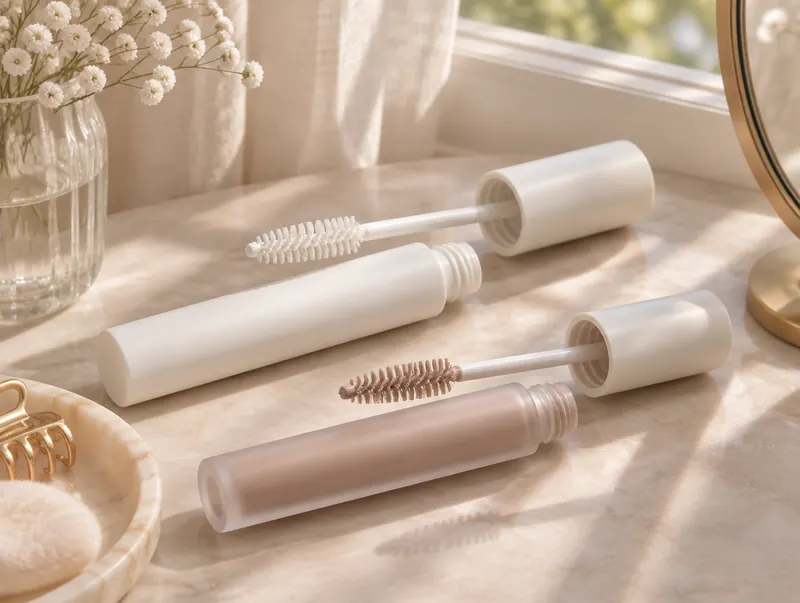
Some primers leave a white or pale undercoat that needs mascara coverage. Others are tinted and may look less obvious if a few coated lashes are missed. Color alone does not tell you whether the product suits your mascara or whether it can be worn by itself.
Some formulas use fibers or other ingredients to change the apparent shape of the coated lash. Read the product description and directions rather than assuming all primers have the same finish. If fibers or flakes bother your eyes, do not keep building coats to force a particular look.
There are also products marketed as both mascara primer and lash conditioner. The instructions for use beneath mascara may differ from any separate use the label describes. Follow the exact intended application instead of carrying directions from one product to another.
Check compatibility before buying
Read both the primer and mascara instructions. A maker may specify a companion formula, require immediate layering, or advise against a particular mascara type. Those details are more useful than a general claim that primer works under everything.
Tubing mascara deserves particular attention because its wear and removal depend on the formula’s film behavior. An undercoat is not automatically interchangeable with bare lashes. If the directions discourage the combination, choose a compatible routine rather than hoping more coats will solve it.
Also check how the completed combination should be removed. You need an eye-area remover or method appropriate to the actual products, not just the easier-removing layer. A dramatic finish is less useful if you must rub uncomfortably every evening to take it off.
Apply primer and mascara deliberately
- Begin with clean, dry lashes. Remove yesterday’s makeup gently and avoid leaving a slippery residue. Wash your hands and use a stable mirror.
- Read the timing directions first. Know whether mascara should follow immediately so you are not searching for the second tube while the primer changes texture.
- Load the primer as directed. Start with a controlled application rather than assuming that several thick coats are necessary. Keep the wand off your eye and wet inner rim.
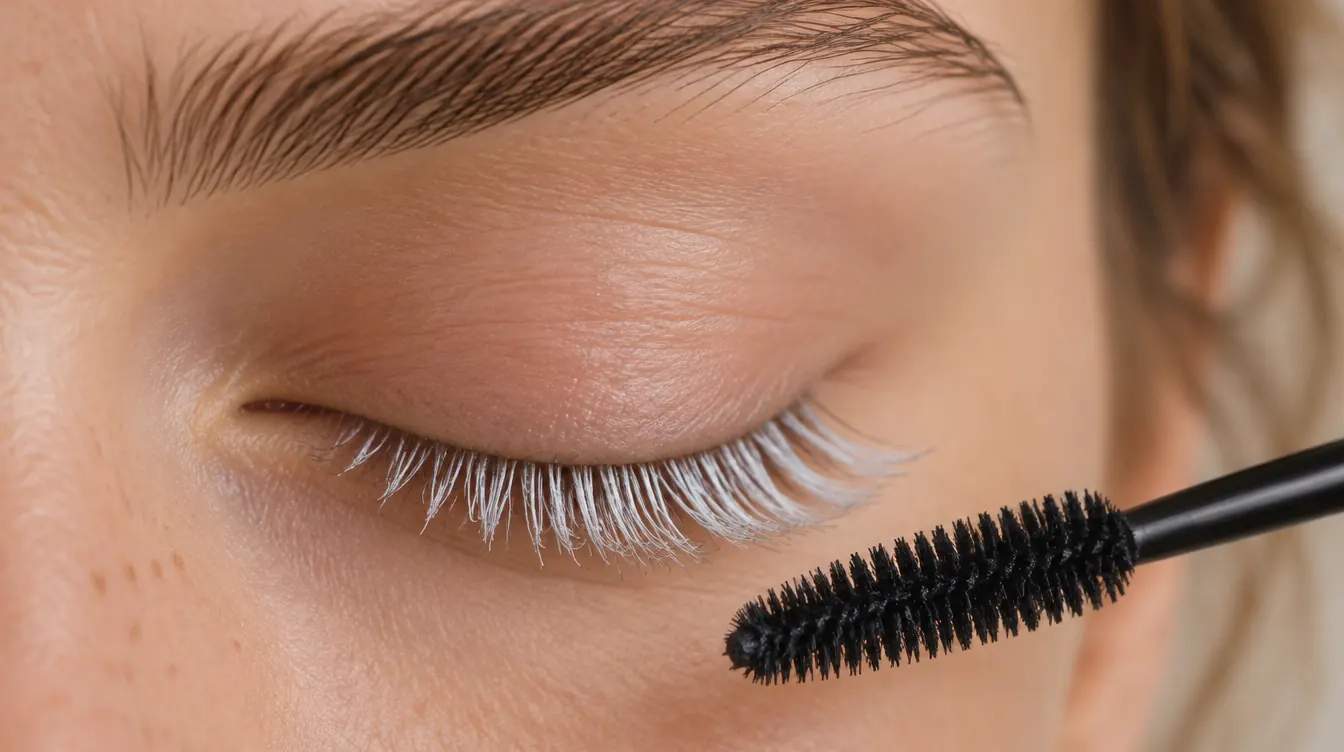
- Work through the visible lashes. Use a slow, manageable stroke. Stop if the brush is depositing large blobs or joining lashes into heavy groups.
- Apply mascara at the instructed stage. Cover the primer evenly, paying attention to any pale tips or missed inner lashes.
- Inspect before adding another coat. Decide whether the current result already meets your goal. Repeated brushing can turn a defined finish into an overloaded one.
- Remove gently at the end of wear. Follow the combined product directions and check that no obvious residue remains before bed.
Some primers tell you to follow with mascara immediately; others have their own sequence. Do not replace those instructions with a fixed waiting period taken from an unrelated product tutorial.
Decide whether the result justifies keeping it
Compare the completed look with the result you normally get from mascara alone. Use similar lighting and the same amount of mascara so a large change in application does not confuse the comparison. You are assessing your own routine, not proving a universal product claim.
Look for the result you named at the start: fuller appearance, a preferred finish, or easier placement with a particular combination. Also notice separation, flaking, transfer, and removal. A fuller look may not be an improvement if it brings a problem you care about more.
If you prefer an easy routine, ask whether a single mascara already gets close enough. Using fewer products can be a sensible choice even when primer produces a visible difference. Keep the step only if that difference matters to you.
Keep expectations and eye safety realistic
Do not share eye products, and stop using a primer that causes irritation. Persistent symptoms deserve medical advice. Avoid eye cosmetics during an infection or when the surrounding skin is inflamed; discard products used during an eye infection rather than returning them to the routine afterward.
Follow the label’s use and replacement guidance, and discard dried or unexpectedly changed product. Never add water or saliva. A patch trial elsewhere on the skin cannot establish eye tolerance, so do not use it as permission to ignore discomfort near the eyes.
For ingredient concerns, read clean and vegan mascara labels with the same care you would give the mascara itself. Primer is another eye-area formula, and attractive marketing language does not replace compatible directions, usable product, and a comfortable application.
Frequently asked questions
Is lash primer the same as a lash growth serum?
No. A mascara primer is an undercoat used to change the look or application of mascara. Do not assume a conditioning claim means it grows lashes. Products marketed for lash growth have a different purpose and need separate consideration.
Do I let lash primer dry completely?
Follow the directions for the specific primer and mascara combination. Some primers instruct you to add mascara immediately. A universal rule to let every primer dry can produce a result the manufacturer did not intend.
Can I use lash primer with tubing mascara?
Check the directions for both products. Some primers are specifically not recommended with tubing mascaras. Do not assume that every undercoat will preserve the tubing formula wear or removal method.
Why is white primer visible after mascara?
The undercoat may be too thick or the mascara may not cover every coated lash. Use less primer within the product directions and brush mascara through carefully. If coverage requires excessive layering, reconsider the pairing.