Foundation Tips for Oily Skin
Build an even foundation routine for oily skin with gentle preparation, thin layers, targeted powder, and careful blotting before adding midday touch-ups.
Apply foundation on oily skin in thin controlled layers, set selected areas if needed, and blot later shine gently before adding more makeup. Keep the skin comfortable rather than trying to strip it dry. A fully matte first result does not automatically tell you how useful the base will be later.
Separate three possible changes during wear: visible shine, missing coverage, and accumulated product. Each needs a different response. Repeating your entire foundation and powder sequence is rarely the most controlled way to handle one small shiny area.
Map where shine actually appears
Your forehead, nose, chin, and cheeks may not behave identically. Note which areas become shiny in your normal routine rather than assuming every part of the face needs maximum powder or a mattifying primer.
Also notice when the change appears. Immediate slipperiness after preparation differs from shine that appears much later. The first may call for assessing product amounts and settling; the second may simply require a modest touch-up plan.
Do not diagnose your skin from one makeup day. Heat, activity, product combinations, and handling can alter the appearance. Look for a practical recurring pattern before changing several steps.
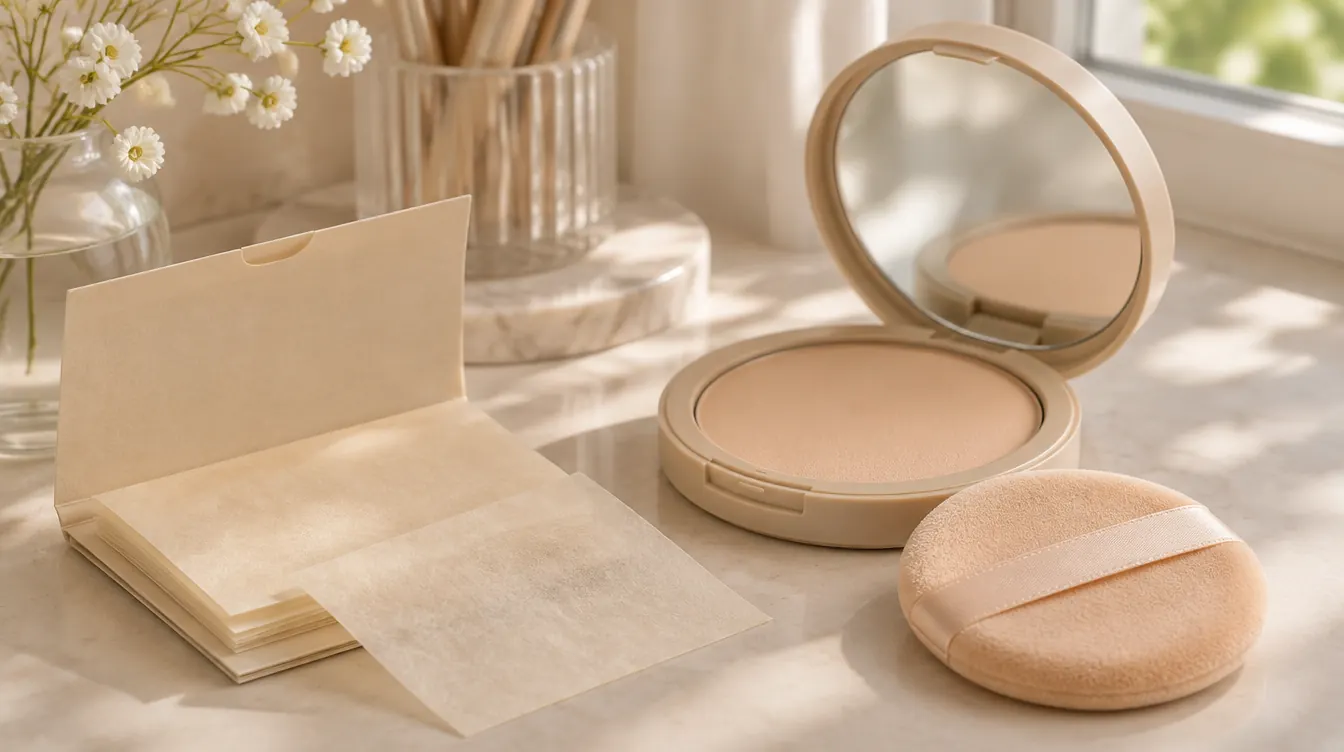
Keep preparation gentle and consistent
AAD guidance recommends gentle cleansing, appropriate moisturizer, and oil-free or noncomedogenic product options for oily-skin routines. It also advises gentle blotting rather than rubbing. Those principles support comfortable makeup preparation without promising a particular cosmetic wear time.
Do not scrub until the face feels tight as a way to make foundation last. Use your suitable regular care as directed. Persistent oiliness concerns, breakouts, or irritation deserve a dermatologist’s advice rather than increasingly harsh makeup preparation.
Keep sunscreen separate and follow its directions. A foundation shade or finish is not a reason to reduce sun protection, mix foundation into sunscreen, or rub away the protective layer to improve grip.
Compare foundation by more than its first finish
| Feature to assess | Useful observation | Avoid assuming |
|---|---|---|
| Application | Thin layer spreads evenly | Thick coverage always lasts longer |
| Initial finish | Matte, satin, or other preferred appearance | Matte guarantees no later shine |
| Later wear | Coverage remains where wanted | Any shine means foundation failed |
| Comfort | No persistent tightness or irritation | A dry feeling proves oil control |
| Touch-ups | Small corrections remain manageable | More powder always improves the base |
A product’s oil-free or noncomedogenic description can help narrow options, but it does not guarantee your personal experience. Keep the exact formula and your own response in view.
Use a thin first foundation layer
Dispense a small portion and work section by section. Keep the amount light enough to inspect before adding more. Applying a thick layer everywhere gives you more product to manage when shine or movement appears.
Use the tool appropriate for your formula. A sponge may help soften boundaries, while a brush or clean fingers may make initial spreading easier. The tool choice does not replace the need for a controlled amount.
For sponge application, see liquid foundation with a sponge. Properly damp foam should not release droplets. Moisture in the applicator is a different variable from oil appearing on your skin later.
Set by area rather than automatically everywhere
- Complete the thin foundation layer and inspect its boundaries.
- Identify where you actually want a more matte or less tacky finish.
- Pick up a small powder amount on a suitable clean tool.
- Apply gently only to those selected areas.
- Inspect before repeating, especially around the nose and mouth.
- Leave areas alone when their finish already suits you.
If you use a pigmented foundation powder, account for its added color and coverage. It may change more than shine. A light setting powder and a covering powder do not perform identical jobs.
Do not use a heavy under-eye baking step simply because the forehead becomes oily. The eye region can have different needs. Keep your setting plan local to the actual issue.
Decide whether primer has a defined role
A mattifying or grip-focused primer is optional. First establish what you want it to change, such as immediate slipperiness in one area or a preferred foundation surface. Apply only as directed and allow it to reach the appropriate stage.
More primer is not necessarily more useful. A thick added layer may roll or interact poorly with repeated application above it. Test one change rather than combining several new products at once.
Our primer decision guide explains a simple comparison. Keep moisturizer and sunscreen consistent so the trial assesses the optional primer rather than a completely different preparation routine.
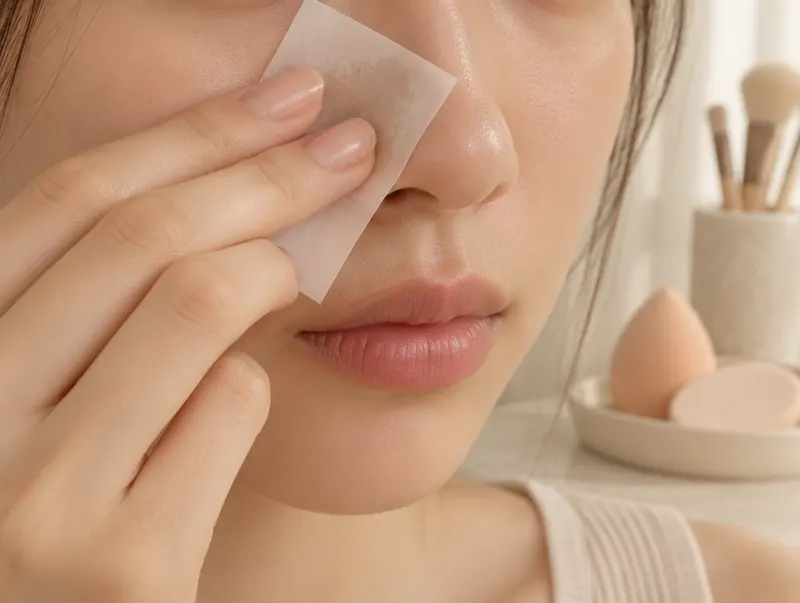
Blot before rebuilding a midday layer
Use a clean blotting paper gently where shine bothers you. Press and lift rather than rubbing the makeup across the face. Then look again before reaching for foundation or powder.
If the coverage remains even, you may not need more foundation at all. A little selective powder may provide your preferred finish, but keep its amount small enough to avoid coating an already substantial layer.
If coverage is genuinely missing, add a tiny fresh amount only to that area with a clean tool. Avoid putting another full layer over surrounding makeup that already looks fine.
Distinguish shine from separation and buildup
A reflective but even layer is not the same as visible gaps, ridges, or clumps. Shine may be a finish preference; an unstable patch may need a different correction.
If repeated powder makes the area look heavy, stop and remove loose excess gently. The cakey foundation repair guide helps you decide whether to soften a small edge or restart a section.
Do not describe every change as oxidation or ingredient incompatibility without evidence. A darker-looking patch can have several causes, including product amount, lighting, or a changing surface. Observe the sequence before deciding what to replace.
Plan for normal wear rather than perfect stillness
Movement, weather, and your day can change makeup. Consider what maintenance is reasonable for you instead of expecting an untouched appearance indefinitely. A modest blotting-and-inspection step may be more practical than a heavier morning application.
Use clean personal tools and remove makeup appropriately at the end of the day. Do not carry a used damp sponge sealed in a bag and assume it is ready for every touch-up.
On the next makeup day, change one variable first: a smaller foundation portion, less powder outside the shiny area, or a defined primer comparison. Record the result later in your normal routine. That gives you a clearer basis for choosing products than judging only the first matte moment.
Frequently asked questions
Should I skip moisturizer because my skin is oily?
Do not assume oiliness removes the need for comfortable hydration. Choose suitable care for your skin and follow its directions; harsh drying preparation can be uncomfortable beneath makeup.
Does oil-free guarantee no breakouts?
No label guarantees your personal result. Oil-free and noncomedogenic wording can help you shortlist products, but stop using makeup that causes problems and seek advice for persistent concerns.
Should I use a dry sponge to prevent shine?
Not automatically. Water in a properly dampened applicator is different from oil on your skin. Follow the tool and formula directions and compare the actual application result.
Is more powder the answer to every shiny patch?
No. First assess surface oil, existing powder, and whether coverage is missing. Gentle blotting may be enough; repeated powder over a heavy layer can make buildup more visible.