Beginner Makeup Tool Kit Checklist
Build a beginner makeup tool kit around the steps you actually use, with a clear checklist for application, cleaning, drying, storage, and optional extras.
Build a beginner makeup tool kit around your actual makeup steps, starting with one base method and only the detail tools you need. Include cleaning, drying, and storage from the beginning. Add a specialist tool when it solves a recurring problem, not because a large set makes it appear mandatory.
A useful kit should make your ordinary routine easier to repeat. The goal is clear coverage of tasks, with manageable upkeep, rather than owning every shape before your first application.
Start with the routine, not the store display
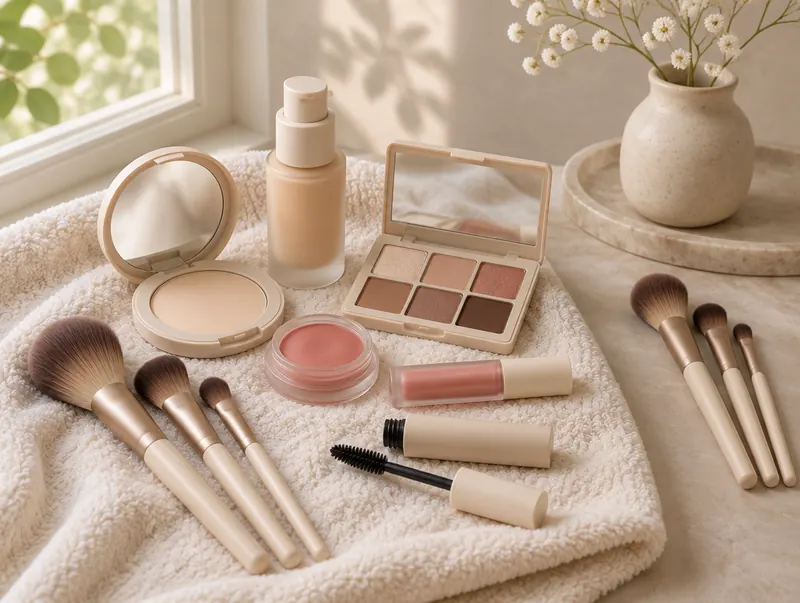
Write down a simple ordinary-day look you want to create. It might include a thin foundation layer, one cheek product, brow grooming, and lipstick. Another person may care more about eye shadow and skip foundation entirely.
Mark which products already have a suitable applicator. A brow pencil may include a spoolie, and a mascara uses its own wand. An extra tool is useful only if it adds a job you actually need.
Do not start by buying separate equipment for looks you may never wear. You can expand after discovering what feels awkward or incomplete in a small routine.
Use a task-based checklist
| Task | Starter option | Add only if needed |
|---|---|---|
| Foundation or tint | Clean fingers, suitable sponge, or one brush | Separate edge-finishing tool |
| Targeted concealer | Suitable small tool or manageable sponge tip | Dedicated mini sponge |
| Powder or cheek color | One appropriate medium tool for the main job | Separate color-specific brush |
| Eye shadow | Small placement brush if you wear it | Blending brush for the look you want |
| Brows | Existing pencil spoolie or clean dedicated tool | Angled brush for separate brow color |
| Lips | Product’s intended applicator | Lip brush for controlled detail |
| Care | Suitable cleanser and clean drying support | Convenience accessories that solve a real issue |
| Storage | Clean dry protected space | Travel case when you actually need one |
The options are alternatives, not a requirement to buy every item in each row. Keep the plan specific to your formulas and preferences.
Choose one base-application method
Clean fingers can be practical for a thin fluid base, while a sponge can soften boundaries and a brush can offer deliberate placement. The best starting point is the one you can use comfortably with your foundation.
If you choose foam, read the material and wet-or-dry directions. Verify a latex-free statement when allergy is relevant. A sponge’s color or shape does not identify its composition.
If you choose a brush, select a manageable head intended for the formula. Start with one rather than buying several different foundation shapes to solve a problem you have not yet encountered.
The foundation brush guide explains those shapes. Your kit does not need both a paddle and flat-top brush if either already performs the base job adequately.
Add detail tools to match the makeup you wear
For concealer, first try a manageable surface on your existing appropriate tool. A mini sponge or small brush is optional when access or placement remains difficult.
For cheeks, decide whether you mostly use cream or powder. One suitable tool can handle your main product, but separate loaded colors when residue changes the next application. Do not force one saturated head through every cheek step merely to keep the kit small.
For eye shadow, a placement brush and a blending brush offer different roles. If you do not use shadow, leave those slots empty. The five-brush starter plan provides a compact example that you can adapt rather than a universal minimum.
Keep brow and lip additions optional
A clean spoolie may be enough when you only want gentle brow combing. An angled brush becomes useful when you use a separate brow powder or pomade and want short controlled color strokes.
A lip brush can help with a detailed edge, but many lip products already have an intended application method. Try that before buying a separate brush solely because it appears on a checklist.
Keep used lip tools separate from eye work. A similar narrow shape does not make hygiene requirements interchangeable. Use only products intended for the eye area near the eyes and keep application comfortable.
Put care equipment on the first shopping list
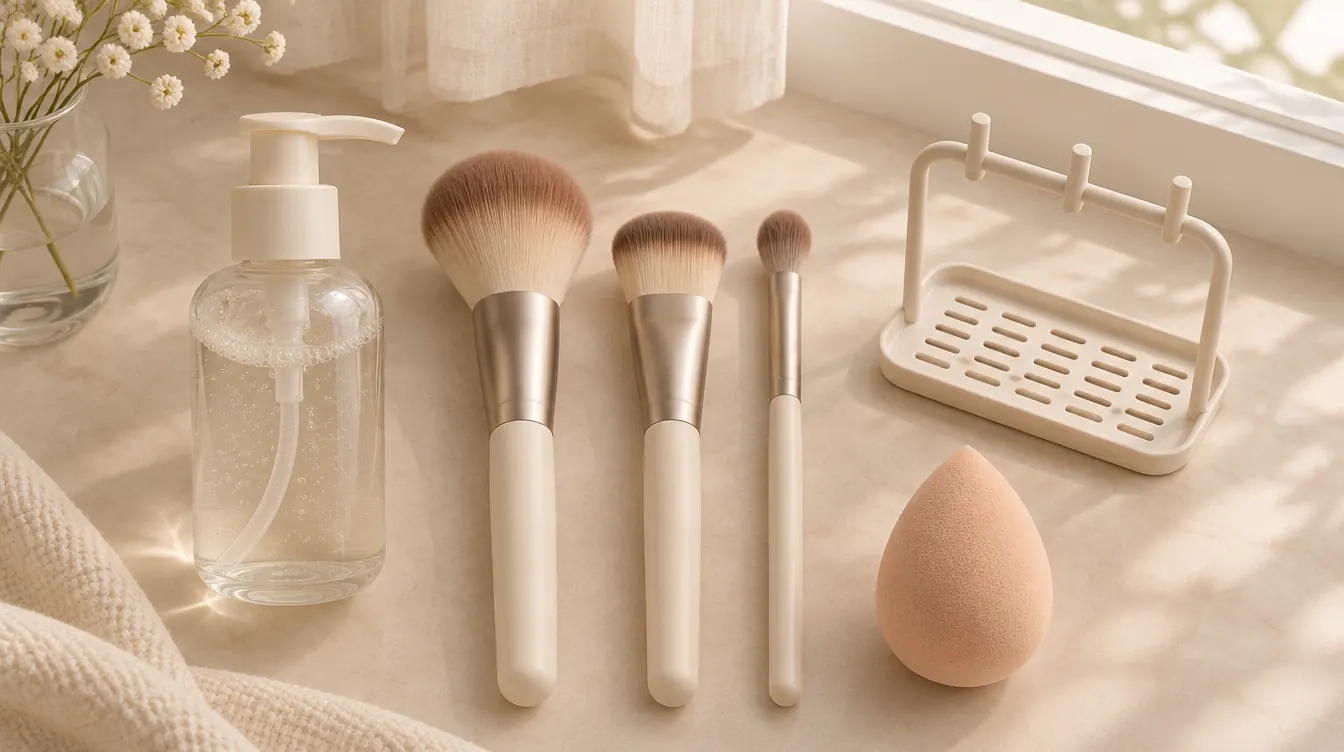
A kit is incomplete if you have applicators but no realistic way to clean and dry them. Choose a suitable cleanser and a clean support or arrangement that fits the tools’ instructions.
Allow enough space and time for full drying before enclosed storage. A clean towel can support appropriate care, but a damp tool should not simply be pushed into a bag or drawer afterward.
Do not buy a complex cleaning gadget as a substitute for understanding the basic method. The useful equipment is what lets you maintain the tools you actually own without damaging their construction.
Keep clean and used items distinguishable. The tool storage guide explains a simple home setup and how to adapt it for travel.
Build the kit in seven steps
- List the makeup steps you repeat or realistically want to learn.
- Audit usable tools and included applicators you already have.
- Choose one comfortable base method if your routine includes foundation.
- Add detail tools only for uncovered tasks.
- Read material, formula-use, cleaning, and drying directions before purchase.
- Set up a clean zone, a used-tool zone, and a drying arrangement.
- Reassess after ordinary applications before expanding.
This sequence lets experience identify the next useful purchase. You may discover that a smaller head, better grip, or clean spare is more valuable than an entirely new set.
Compare bundles with useful singles
Count distinct roles, not pieces. A kit containing several similar powder brushes may still lack a useful foundation or brow tool. A decorative case adds little if it cannot protect or appropriately store your equipment.
Check the current price and contents of the exact option. Compare a bundle with the singles you genuinely need rather than with the theoretical cost of buying every included accessory separately.
Keep some budget for maintenance and replacement. A sponge is a consumable tool, and brushes can become damaged or uncomfortable. A low first purchase is less useful if it leaves you reluctant to replace something questionable.
Leave advanced extras for a defined need
Specialist liner brushes, fan brushes, lash tools, and elaborate applicator assortments can wait until a specific step calls for them. You do not need to learn every cosmetic technique at once.
If an extra tool seems appealing, write the problem it will solve in one sentence. If the answer is only that the kit looks incomplete, wait until you have a more practical reason.
Keep equipment personal, inspect its condition, and stop for irritation. Follow any patch-test directions for new cosmetics and seek qualified advice for persistent skin or eye concerns. A beginner kit should support comfortable practice, not pressure you into more products or steps than you want.
Frequently asked questions
Do I need a sponge and a foundation brush?
Not automatically. One method that suits your foundation is enough to begin. Add another only for a defined placement or finishing job instead of duplicating the same role.
Should I buy a starter kit with many accessories?
Count the useful tasks it covers rather than the number of pieces. An assortment can be poor value when several tools duplicate a role or require care you cannot maintain.
Can I begin without eye brushes?
Yes. Your tool kit should reflect the makeup you wear. If you skip eye shadow or use a suitable product with its own applicator, those brush slots may be unnecessary.
What should I replace first in an existing kit?
Prioritize damaged, uncomfortable, or questionable tools and any genuine missing role. Follow replacement and care guidance rather than discarding suitable tools simply to make everything match.