Argan, Coconut, Shea and Avocado in Curl Products
Compare argan, coconut, shea, and avocado in curl products, read ingredient claims carefully, and judge the complete formula instead of one featured oil.
Oils and butters can contribute conditioning or emollient properties, while concentration, other ingredients, dose, and intended use determine how the finished product behaves.
You do not need all four. Begin with a clear product role, such as conditioning or a styling effect, then assess whether the formula suits your hair and routine.
Separate the ingredient from the product
A bottle featuring an oil on the front may also contain water, conditioning agents, thickeners, preservatives, fragrance, or other components. The featured ingredient is not the whole formula.
Likewise, a raw oil is not interchangeable with a formulated rinse-out conditioner or leave-in. The label’s intended application, amount, and rinsing instructions still apply.
Do not pour kitchen ingredients into a finished cosmetic container to improve it. That creates a different mixture without the original product’s clear directions and makes future results harder to understand.
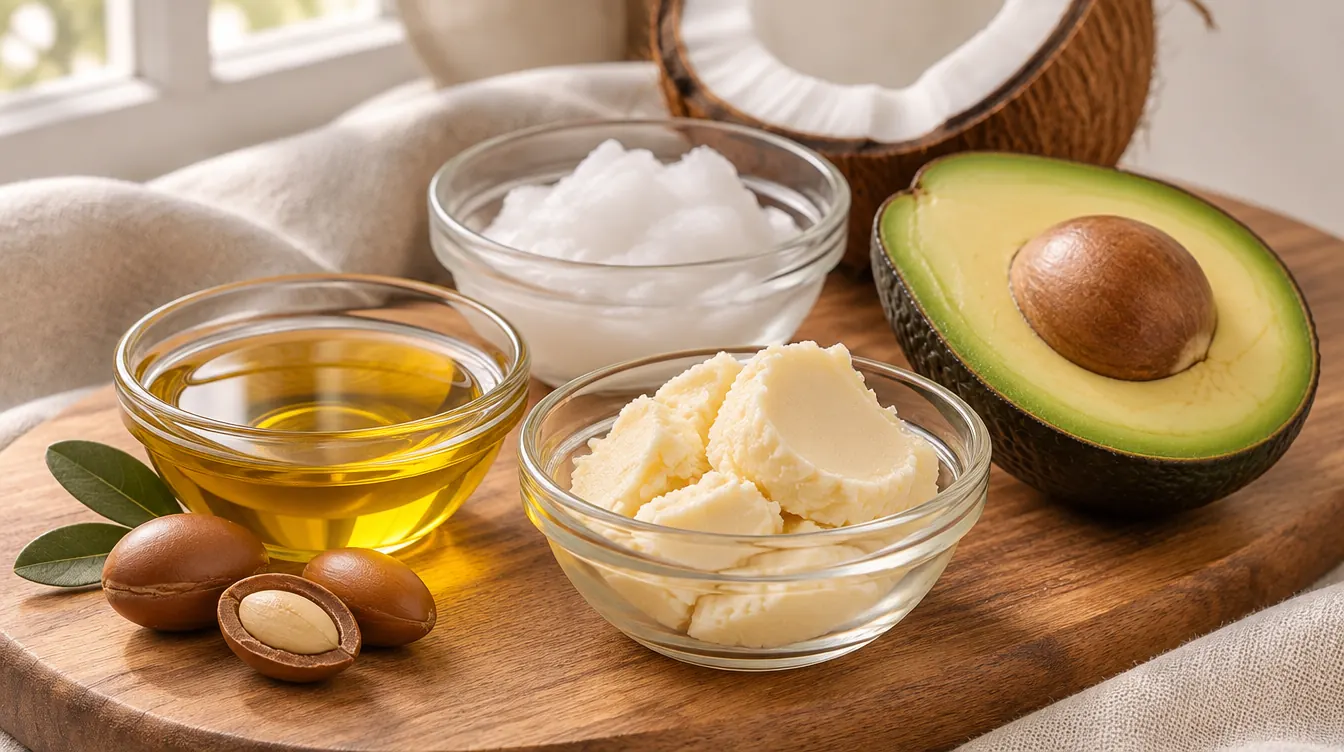
Compare what to look for on labels
| Ingredient | Useful label distinction | Question for the finished product |
|---|---|---|
| Argan oil | Oil versus another argan-derived material | What role and application does the product describe? |
| Coconut oil | Oil versus coconut-derived cleansing ingredients | Is this a cleanser, conditioner, or styler? |
| Shea butter | Butter versus shea oil or another derivative | How rich is the actual formula at your dose? |
| Avocado oil | Oil versus extract or marketing imagery | Does the whole product suit your intended use? |
Ingredient names can help you identify a material, but they do not provide a complete performance rating. A familiar plant picture does not replace reading the directions.
Argan: assess the complete conditioning product
Argan oil may appear under the ingredient name Argania Spinosa Kernel Oil.
A product containing argan can still be light, rich, rinse-out, or leave-in depending on its other components and construction. Read its role before deciding where it belongs in the routine.
Do not expect an argan label to guarantee growth, a scalp treatment, or permanent repair. Evaluate manageable cosmetic outcomes such as feel, distribution, and the finish you prefer after drying.
Coconut: keep research claims in context
Coconut oil has been studied for hair-fiber effects. One 2003 study comparing coconut, mineral, and sunflower oils reported reduced protein loss with coconut oil under its study conditions.
That finding is not a performance guarantee for every coconut-containing cream, cleanser, or amount.
Distinguish coconut oil from other coconut-derived ingredients. A cleansing ingredient with a coconut-related name does not automatically perform the same role as the oil, and a coconut image on a bottle does not resolve that distinction.
Shea: distinguish butter from a heavy finished layer
Shea butter is a conditioning material used in many cosmetic formulas. A rich butter-forward styler and a lighter product containing some shea can feel different, even though both highlight the same ingredient.
Judge your actual dose and dried result. If hair feels coated or less voluminous than you want, reduce overlapping layers or compare a different formula rather than deciding that every product with shea must behave identically.
Do not assume the presence of a butter means the product can replace cleansing or that more is always needed for a tighter curl pattern. Those are separate routine decisions.
Avocado: read the ingredient and the instructions
Avocado oil can appear in rinse-out treatments, creams, and other conditioning products. The surrounding formula matters when deciding whether it belongs on the lengths, how much to use, and whether to rinse it.
An avocado extract and avocado oil are not simply interchangeable label terms. Read the actual ingredient description when the distinction is relevant rather than inferring the composition from packaging artwork.
As with the other ingredients, a cosmetic conditioning role is different from a promise to treat itch, shedding, or another scalp concern. Those symptoms need appropriate advice rather than a search for a different featured plant.
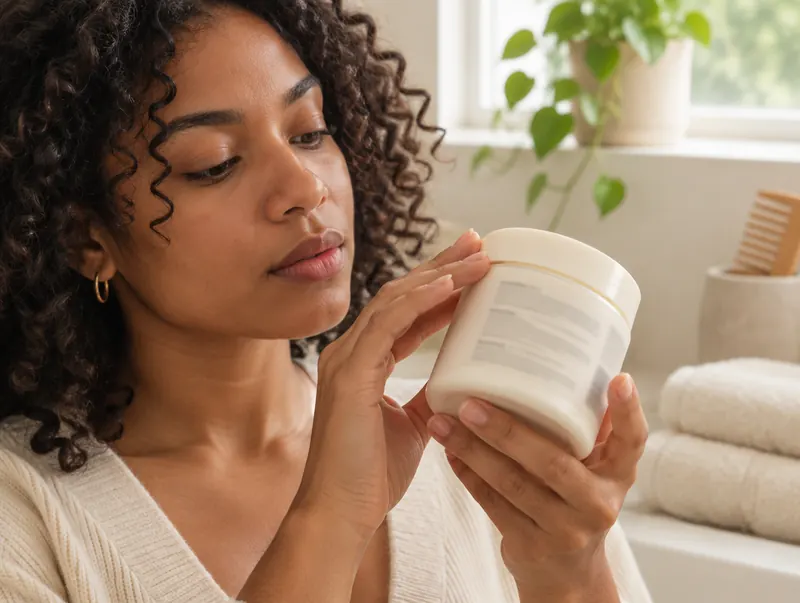
Compare like products when possible
An argan serum and a shea rinse-out mask differ in more than their featured ingredients. Comparing them as if they were interchangeable oils tells you little about which formula serves your goal. Begin with products intended for the same task, then inspect instructions, dose, and the finished result. That keeps an ingredient preference from becoming a reason to place an unsuitable product in the wrong routine stage.
Choose by the product role first
If you need a leave-in, compare leave-in instructions rather than buying a raw oil solely because it sounds nourishing. If you want hold, check whether the formula actually provides that role.
The leave-in versus curl cream guide explains why conditioning and styling categories can overlap without requiring every product. A featured oil does not settle which category you need.
For an optional rinse-out treatment, use the deep-conditioning guide. Follow its timing and heat instructions rather than extending contact because a plant ingredient seems gentle.
Compare formulas without adding four variables
- Name the result you want to change.
- Choose one product intended for that role.
- Read the full directions and relevant ingredients.
- Use a modest directed amount within a familiar routine.
- Assess scalp comfort, handling, and the result after drying.
- Change one factor before buying another overlapping product.
Avoid introducing several new oils or creams together. A result you dislike becomes difficult to trace when every wash-day layer changed at once.
Keep scalp comfort and cleansing separate
Keep an appropriate cleansing routine rather than layering products to cover discomfort.
The beginner curly routine helps place conditioning and styling within the whole sequence. If buildup or a coated result repeats, simplify and reassess the cleanser and product amounts.
Natural does not mean free of allergy or irritation concerns. Follow applicable patch-test directions, avoid known allergens, and stop products that cause irritation. Seek a dermatologist’s advice for persistent scalp symptoms.
Keep the final decision modest
Choose the complete product that fits a defined job and a result you like. You can prefer a formula containing one of these ingredients without claiming that the ingredient alone explains everything it does.
There is no need to rank all four as best to worst for every curl type. Product role, dose, comfort, and maintenance provide a more practical comparison than a single hero ingredient or an unsupported growth promise.
Frequently asked questions
Does coconut in a product mean it contains coconut oil?
Not necessarily. Coconut-derived ingredients can have different identities and functions. Read the ingredient list rather than treating every coconut-related name as the same raw oil.
Is shea butter always too heavy for fine hair?
No universal rule applies to every finished formula or dose. A small amount in a lighter product can behave differently from a rich butter-based styler used generously.
Can argan oil permanently repair split ends?
Do not expect a cosmetic oil to restore a split strand permanently. A softer or smoother-looking finish is different from reversing every structural change in the hair.
Should I buy all four ingredients for my routine?
No. Choose a product with a useful role and assess its complete formula. Collecting several oils without a clear purpose can add residue and make your routine harder to evaluate.