The Wash-and-Go Method for Curly Hair
Plan a wash-and-go with cleansing, conditioning, sectioned styling, and drying time, then adjust definition and volume without unnecessary layers.
A wash-and-go is a way to style your natural curl pattern after washing and conditioning, then let the arranged hair dry using a suitable method. It can include a leave-in, cream, or hold product if that role is useful. The name does not promise a fast process or require one rigid list of products.
Plan the drying stage as carefully as the wash. A routine that looks simple during product application may still need more time than your morning allows, especially if you keep restarting sections before they finish drying.
Choose the result before choosing the layers
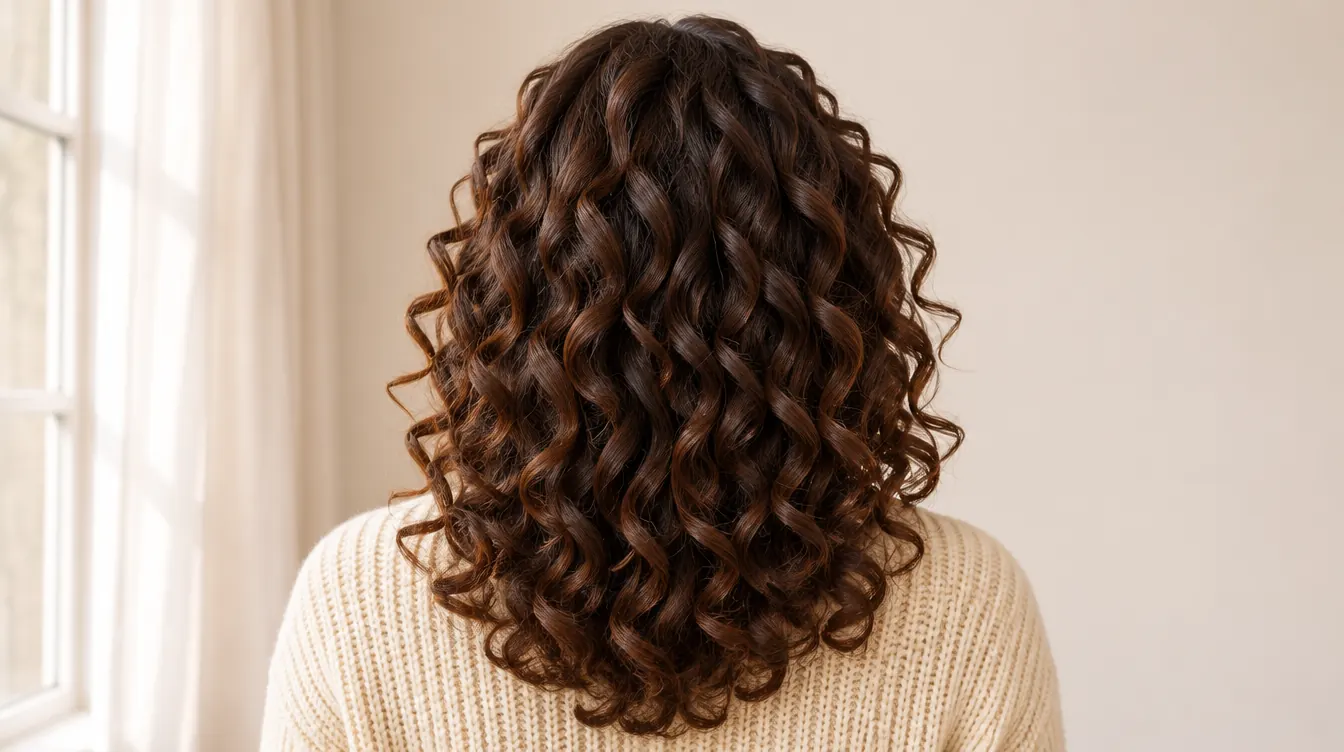
Decide whether you want strong definition, a softer shape, more volume, or a balance. Those preferences affect how much product and handling you want to use.
A look with individual defined groups is not the only successful result. You can prefer less structured movement, and you do not need to keep adding cream until every strand joins a uniform group.
Use ordinary examples of your own hair as the comparison.
Keep the product plan purposeful
| Stage | Purpose | Optional decision |
|---|---|---|
| Cleansing | Address scalp and hair cleansing needs | Choose an appropriate cleanser, not a forbidden-product rule |
| Rinse-out conditioning | Support manageable handling | Follow the formula’s timing and rinse directions |
| Detangling | Work through resistance gently | Fingers or a suitable tool |
| Leave-in or cream | A stated conditioning or styling role | Use only if it adds value |
| Hold product | A preferred styling effect | Strength and amount according to the formula |
| Drying | Finish the arranged style comfortably | Air drying or a suitable device method |
You do not need every optional category. Start with the smallest routine that performs the jobs you want, then add only when a specific gap remains.
Cleanse and condition normally
Complete the cleansing stage before deciding how much styling definition to build. Rinse as the cleanser directs, then move to conditioning without using leftover cleanser as part of a styling layer. Keeping those stages distinct makes the later feel of your chosen gel or cream easier to assess.
Apply rinse-out conditioner as intended and detangle gently when the method supports it. A wash-and-go is not a reason to skip the scalp’s needs to preserve a style longer.
The beginner curl routine explains this baseline. Keep washing and cosmetic styling separate enough that a pleasing shape does not hide an uncomfortable scalp or an unnecessarily coated feel.
Finish detangling before defining
Work through manageable conditioned sections rather than trying to create perfect groups while a stubborn knot remains. Start near the ends and move upward gradually as resistance releases.
Use fingers, a wide-toothed comb, or another suitable tool gently. Stop if handling becomes painful or a section cannot be managed without force.
The detangling guide covers that task. Completing it comfortably makes later product distribution easier than repeatedly combing through the same resistant area with another styler added.
Apply the chosen styler in a controlled sequence
- Read the product’s intended hair wetness, dose, and application directions.
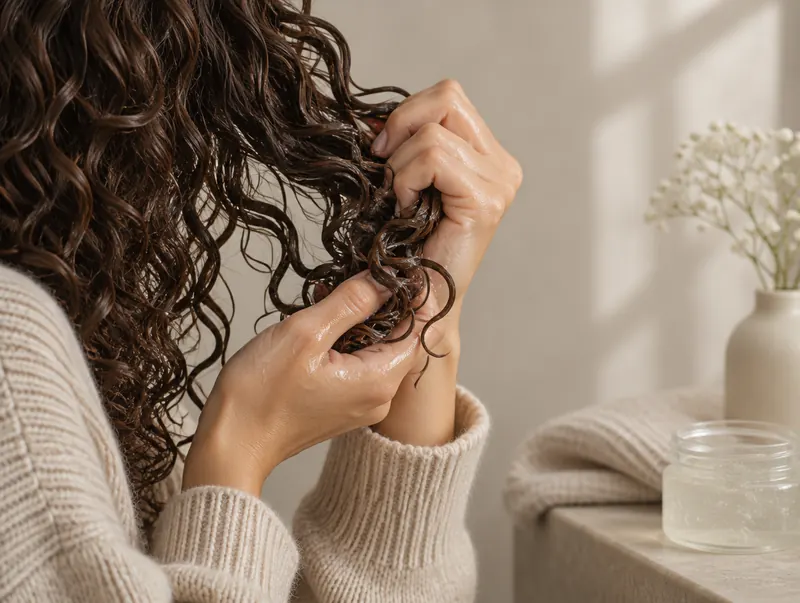
- Divide the hair into sections that let you distribute product evenly.
- Begin with a small suitable amount rather than a large outside coating.
- Use the directed gentle movement to arrange the section.
- Set it aside without repeatedly reworking it while you finish elsewhere.
- Check distribution before adding another full product layer.
Wet and damp are not identical starting conditions. Record which you used so the next comparison has context. Do not assume every cream and gel needs to be applied to hair in exactly the same state.
Choose handling that fits your goal
Gentle smoothing or appropriate scrunching may suit some product directions and preferences. Extensive brush styling is optional, not a requirement for the method to count.
If a section starts looking heavily coated, do not automatically add another product to change its feel. Reduce the dose or simplify the sequence on the next wash.
Keep the scalp comfortable and avoid pulling sections taut for a cosmetic effect. A style that requires painful tension is not a useful everyday routine.
Give drying its own plan
Air drying can be convenient when it fits your time and environment. A suitable diffuser method can be another option, but follow device directions and use appropriate heat care.
Avoid uncomfortable heat near the scalp or treating the highest setting as the default shortcut. Do not leave a powered drying device unattended to make the routine feel hands-free.
Some hold products dry with a firm-feeling layer. Follow the product’s directions for any finishing step after it is fully dry rather than repeatedly squeezing partly dried hair and changing the arrangement before you can assess it.
Budget time for the whole method
Include cleansing, detangling, product distribution, drying, and cleanup when deciding whether the method fits your day. A short application demonstration may show only one of those stages. Try the sequence when you have room to learn rather than making the first attempt immediately before leaving. If drying repeatedly conflicts with your schedule, choose another comfortable arrangement or a different suitable routine.
Judge the finished result in useful categories
Notice scalp comfort, ease of handling, visible residue, definition, and volume separately. One strong result does not erase another problem; hair can look defined while feeling heavier than you prefer.
If the style feels coated, compare a smaller dose or fewer overlapping layers next time. If definition is lighter than you wanted, check whether your selected product actually promises the role you expected.
Do not assume that a different curl label is needed to explain every outcome. Your application amount, wetness, distribution, and drying routine provide more immediate variables to examine.
Plan maintenance without rebuilding every day
Leave comfortable sections alone the next morning if they already look how you want. A small appearance adjustment does not require a full new coat of each wash-day product.
The day-2 refresh guide explains selective handling and how to distinguish restyling from a genuine need to cleanse. If the scalp needs washing, preserve comfort rather than extending the style at any cost.
Choose an overnight arrangement that does not pull tightly. Your next-day routine should not begin with soreness from trying to hold every curl in place while you sleep.
Keep one change clear on the next wash
Record approximate product amounts, application wetness, and the drying method. Change one of those before buying several new bottles for the next attempt.
Follow applicable patch-test directions for new cosmetics and avoid known allergens. Stop for irritation and consult a dermatologist for persistent scalp concerns.
A useful wash-and-go is a process you can repeat comfortably with realistic time. It does not require perfect symmetry, a large collection of stylers, or a promise that the result will remain unchanged for a fixed number of days.
Frequently asked questions
Does wash-and-go mean using no styling product?
Not necessarily. Some people prefer a minimal result, while others use a suitable leave-in or hold product. Choose a role you want rather than assuming one exact product list defines the method.
Must every curl group look identical?
No. Natural variation and your preferences matter. You can favor volume, softer definition, or a mix rather than treating every strand outside a uniform group as a failure.
Do I have to air-dry?
No. Choose a suitable drying method that fits your routine, following product and device directions. A diffuser is optional and should be used with appropriate heat care rather than maximum heat to rush.
Should I repeat the entire method on day 2?
Only if your hair and scalp need another wash. A selective refresh may be enough when the goal is an appearance adjustment rather than cleansing or complete restyling.