Protecting Curls Overnight: Comfortable Options
Compare loose overnight curl arrangements, bonnets, scarves, and smooth pillowcases, with checks for comfort, clean accessories, and morning handling.
Protect curls overnight with a loose comfortable arrangement, a suitable smooth sleep accessory, or both when useful. The goal is less unnecessary rubbing and a shape you can manage the next morning. Do not use tight tension to force the style to stay identical while you sleep.
Some flattening and variation can still occur. Choose a method that supports comfortable sleep rather than treating every displaced curl as evidence that you need a tighter wrap or more products.
Decide what you want to preserve
You may care most about a broad shape, a few defined sections, manageable detangling, or simply keeping hair comfortably contained. Different priorities can suit different arrangements.
Notice the recurring issue before buying accessories. Flattening on one side is different from a scarf slipping off or a tight tie pulling at the scalp.
Begin with the smallest adjustment that addresses the actual problem. You do not need to combine a bonnet, scarf, tight ponytail, multiple ties, and a special pillowcase simply to create a legitimate night routine.
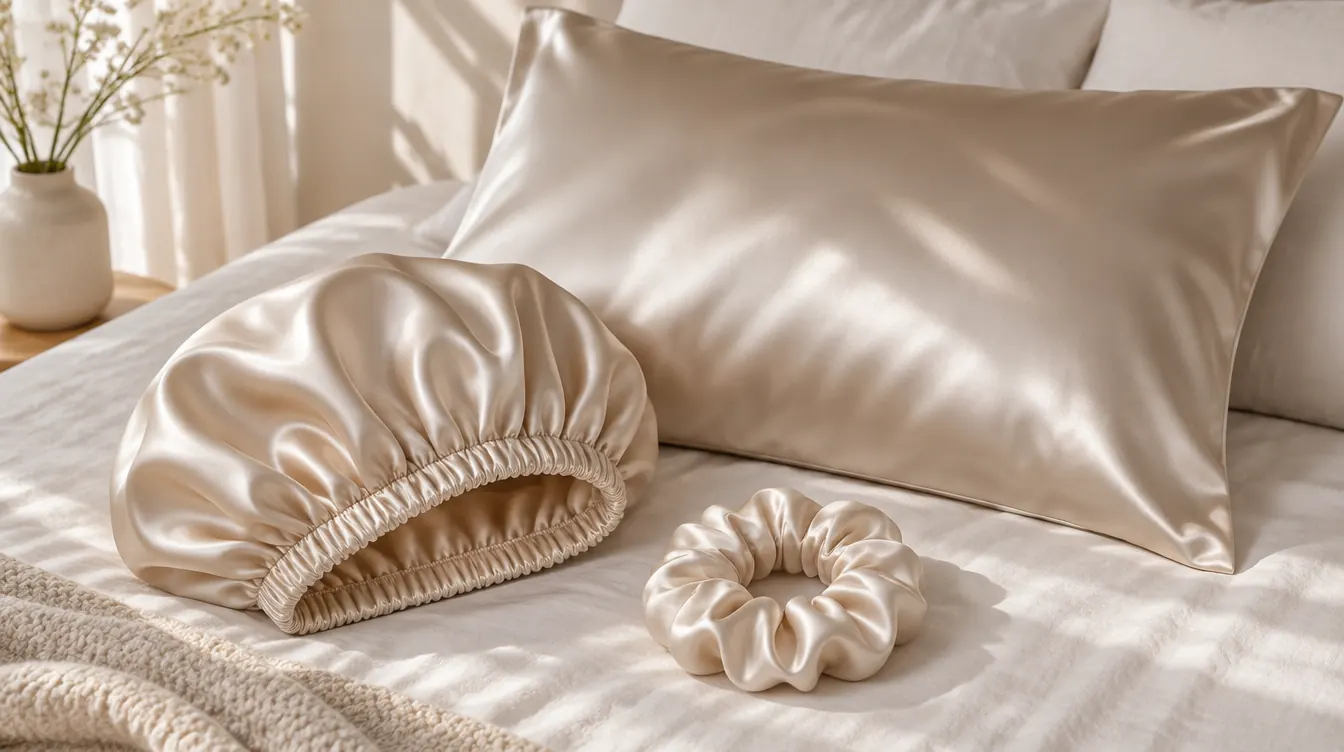
Compare common options
| Option | Why consider it | What to check |
|---|---|---|
| Loose top gathering | Keeps suitable lengths arranged away from some contact | No pulling at the hairline |
| Loose braid or twists | Comfortable containment for some lengths | No tight sections or forced shape |
| Bonnet | Contains hair under an accessory | Fit, room, clean material, and comfort |
| Scarf | Adjustable arrangement | No uncomfortable tight tying |
| Smooth pillowcase | Useful if headwear feels inconvenient | Actual material, care, and surface comfort |
A method that slips, pulls, or disrupts sleep is not automatically better because it appears in more tutorials.
Start with comfortably prepared hair
Plan washing and drying so your normal bedtime is not a rushed finishing deadline. A sleep accessory should not be expected to act as a drying device for a heavily wet style.
Follow any products’ intended overnight-use directions. Do not leave a rinse-out mask in place all night simply because you will cover the hair with a bonnet.
If the hair needs detangling, address it gently using an appropriate method rather than pulling through knots dry before tying them away. Our detangling guide covers that separate task.
Try a loose top arrangement only if it fits
A loose gathering near the top of the head is often called a pineapple. It can be an option when your length and comfort allow it, but it is not mandatory for every curl pattern.
Use a suitable soft tie without pulling the scalp tightly. Do not keep looping an elastic until the arrangement feels rigid just to prevent movement.
If shorter sections do not reach, do not strain them into place. Another loose arrangement or accessory may be more practical than forcing all lengths into one tie.
Consider braids or twists without making tension the goal
A loose braid or a few comfortable twists can contain some lengths for sleep. They may also influence the next morning’s appearance, so decide whether that result suits the style you want to preserve.
Do not assume more sections or tighter work provide better protection. Your scalp should remain comfortable, and repeated pulling is not a useful way to keep an arrangement neat.
If you dislike the morning shape, adjust the method rather than tightening it. A sleep routine is allowed to be simple and flexible.
Check bonnet or scarf fit deliberately
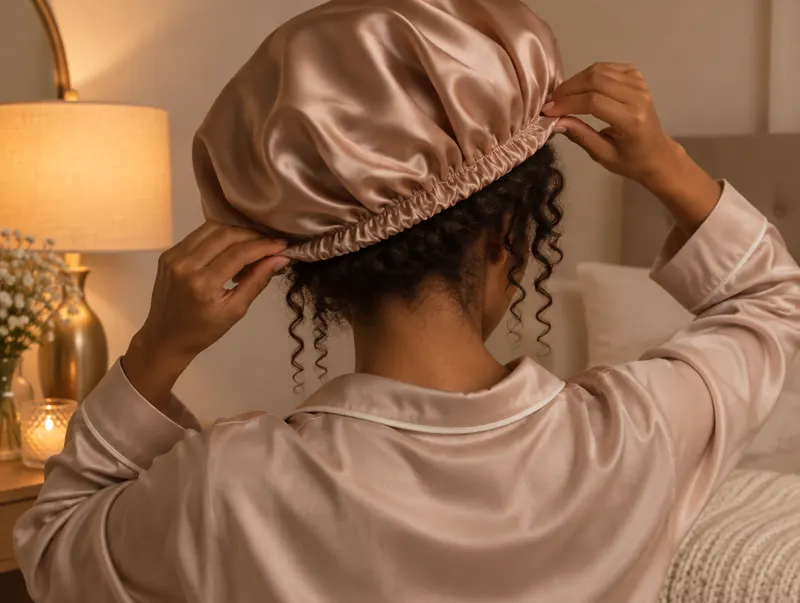
Choose enough room for your hair without compressing it uncomfortably. Check the edge around the forehead and hairline, and reassess if it causes pressure, rubbing, or pulling.
A slipping accessory may need a different size or construction. Repeatedly tightening a scarf knot through discomfort is not the only solution.
You can also choose no headwear and use another suitable approach. Comfortable sleep matters, and an accessory is optional rather than a requirement for caring about your curls.
Understand satin and silk labels
Satin describes a weave, while silk identifies a fiber. A satin item may use different fibers, so check its actual material and washing instructions instead of assuming every satin accessory is silk.
AAD guidance includes loose arrangements and smooth accessories as options to reduce friction and help preserve a style.
Choose a surface you find comfortable and can maintain cleanly. Price and a luxurious description do not replace the need to read the care label or assess personal comfort.
Keep accessories clean and dry
Hair products, skin products, and normal use leave material on bonnets, scarves, ties, and pillowcases. Follow their laundering directions instead of assuming a smooth material does not need regular care.
Let accessories dry appropriately before use or enclosed storage. Keep clean items distinguishable from those awaiting washing, especially when carrying several similar scarves during travel.
Replace damaged ties or rough accessories that catch hair. A familiar item should not stay in the routine after its condition makes it uncomfortable.
Review the morning gently
Remove ties or headwear carefully without pulling through trapped strands. Allow the hair to settle before deciding what needs correction.
You may only need to rearrange a small section or prefer the new volume. The day-2 refresh guide explains selective adjustments without reapplying every wash-day product.
Avoid aggressive dry brushing simply to make the whole shape symmetrical. If a true tangle needs work, address that task appropriately rather than treating it as cosmetic smoothing.
Keep the routine separate from product treatments
An overnight arrangement does not require applying a generous oil or mask first. Add a product only when its directions and a defined need support that use.
The ingredient guide explains why oils and butters do not automatically provide every benefit implied by a nourishing label. More residue may also change what your next cleansing routine needs.
If you notice persistent scalp discomfort, hairline soreness, unusual shedding, or another concerning change, stop the uncomfortable method and seek a dermatologist’s advice. Do not diagnose the cause from a pillowcase comparison.
Choose tonight’s arrangement in order
- Start with hair that is ready for sleep under your product directions, rather than adding an unplanned overnight treatment.
- Select a loose arrangement that fits your length and usual sleeping position.
- Check the hairline and fastening for pulling before settling into bed.
- Release the accessory gently in the morning and assess only the sections that need attention.
Keep the option that supports sleep and manageable mornings
Try one arrangement for ordinary nights and note comfort, slipping, morning tangles, and how much refreshing you actually want. Change one practical feature before buying several overlapping accessories.
The useful result is a comfortable repeatable routine with realistic expectations. It does not require perfect curls on waking, a specific fabric brand, or a style held under tension for the entire night.
Frequently asked questions
Is satin always silk?
No. Satin describes a weave, while silk describes a fiber. Check the material label if that distinction matters to comfort, washing, or your preferences rather than treating the words as interchangeable.
Must I use a pineapple ponytail?
No. A loose top arrangement is one option when length and comfort allow it. A loose braid, twists, or a suitable sleep accessory may be more practical for another person.
Should I tighten a bonnet so it stays on?
Do not keep tightening through discomfort. Check size, construction, and another option instead. A slipping accessory should not lead to persistent pressure marks, pain, or pulling at the hairline.
Can overnight protection replace washing?
No. A sleep arrangement can help preserve a cosmetic style but does not clean the scalp or remove product residue. Keep cleansing based on your actual routine and comfort.